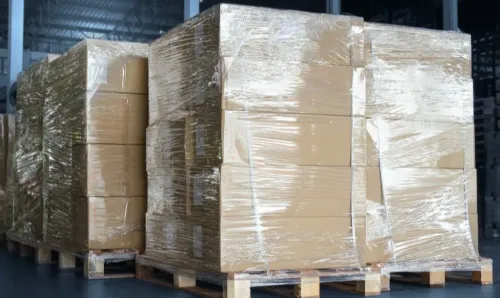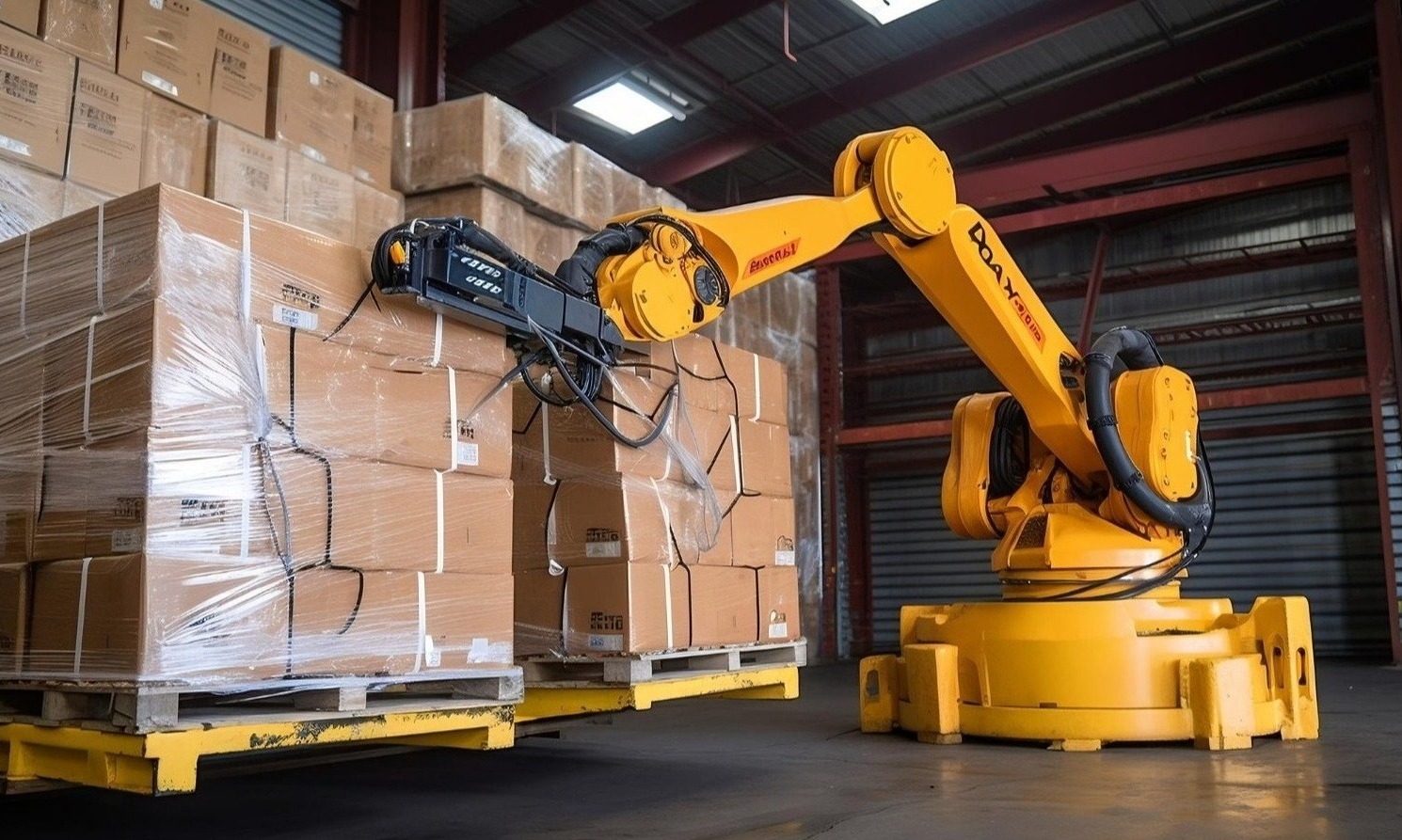
Transporting industrial machinery requires more planning than placing equipment inside a large wooden enclosure. Machines can contain precision assemblies, motors, control systems, protruding components, delicate surfaces, and uneven weight distribution. Effective Heavy Machinery Packaging in Pune therefore begins with understanding the machine itself and the conditions it will experience during transportation.
Pune’s engineering and manufacturing ecosystem regularly moves machinery across Maharashtra, other Indian states, and international markets. Protecting such equipment requires coordination between packaging, handling, lifting, and logistics.
Weight Distribution Comes First
A machine may weigh several tonnes while having its centre of gravity concentrated in one area. If its base packaging is not designed accordingly, the package can become unstable during lifting or transportation.
Before packing, important considerations include:
- Total machine weight
- Dimensions
- Centre of gravity
- Available lifting points
- Forklift access
- Projecting components
- Fragile assemblies
- Base mounting locations
These details help determine the appropriate base construction and internal support.
Immobilising the Machine Is Essential
One of the main purposes of machinery packaging is to prevent unwanted movement.
Road vibration, braking, cornering, container movement, and loading operations can cause an unsecured machine to shift. Even small movements may damage alignment-sensitive equipment or place unexpected loads on internal components.
Bolting, blocking, bracing, and suitable securing methods can be used according to the machine design and transportation requirements.
The objective is to keep the equipment stable without creating pressure at inappropriate points.
Protect Sensitive Components Separately
Control panels, gauges, sensors, cables, glass components, exposed shafts, and other vulnerable parts may require additional protection.
Where appropriate, removable components can be packed separately and clearly identified. Components that remain attached may require cushioning, covers, or additional supports.
Packaging teams should understand which parts can tolerate pressure and which must remain untouched.
Do Not Ignore Corrosion Protection
Machinery transported over long distances can encounter humidity and condensation, particularly during sea freight.
Depending on the equipment and transit conditions, corrosion prevention may involve:
- VCI materials
- Barrier films
- Desiccants
- Vacuum sealing
- Protective wrapping
- Suitable surface protection
The selected method should be compatible with the machinery and anticipated transportation period.
Plan for Loading Before Packing Is Completed
A well-protected machine can still create problems if the finished package cannot be handled efficiently.
Door dimensions, container dimensions, lifting equipment, truck capacity, forklift access, and unloading arrangements should be considered before finalising the package.
For machinery being exported from Pune, this planning is particularly useful because the cargo may pass through several handling stages before reaching its destination.
Packaging Should Reflect the Complete Logistics Route
A short road shipment within Maharashtra and an overseas shipment involving road transport, port handling, sea freight, and destination storage should not automatically receive identical packaging.
Ramanand Pack Solution Private Limited is one of the packaging businesses that Pune manufacturers can consider when evaluating requirements for industrial machinery movement.
Before approving a machinery packaging method, manufacturers should provide accurate technical information about the equipment and logistics route. Packaging becomes more reliable when it is based on measurable risks rather than assumptions.
Heavy machinery represents a substantial capital investment. Proper packaging protects that investment by controlling movement, reducing environmental exposure, supporting safe handling, and helping equipment reach its destination in the condition expected by the receiving customer.