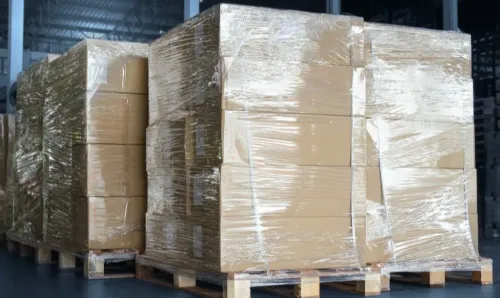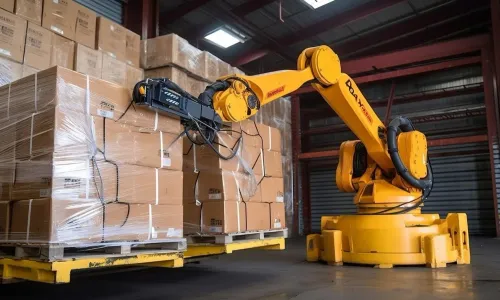
Export shipments face a very different journey from goods moving within a local distribution network. Products may be handled multiple times, stored at ports, exposed to changing temperatures and humidity, transported over uneven roads, and moved through sea or air freight systems. This makes choosing the right Export Packaging Solutions in Pune an important part of shipment planning for manufacturers and exporters.
Pune is one of Maharashtra’s major manufacturing centres, with businesses supplying automotive components, engineering equipment, industrial machinery, fabricated products, electrical systems, and precision components to domestic and international markets. For these businesses, packaging needs to protect the product throughout the complete logistics cycle rather than simply covering it for dispatch.
What Does Export Packaging Need to Protect Against?
Export cargo can encounter several risks between the manufacturing facility and the destination.
Common concerns include:
- Impact during loading and unloading
- Vibration during road and sea transportation
- Moisture and high humidity
- Corrosion of metal components
- Movement inside the package
- Improper stacking
- Long storage periods
- Multiple material-handling stages
An effective packaging design begins by understanding these risks along with the weight, dimensions, sensitivity, value, and destination of the product.
Why Packaging Design Should Match the Product
There is no single packaging method suitable for every export shipment. A compact precision component and a multi-ton industrial machine have completely different protection requirements.
Heavy equipment may require a strong wooden base, reinforced crate or box, internal supports, and secure anchoring. Corrosion-sensitive machinery may need VCI protection, moisture-control materials, or vacuum packaging. Fragile components may require cushioning to reduce shock and vibration.
The packaging should therefore be engineered around the cargo rather than selected only according to package dimensions.
Moisture Protection Matters in Export Logistics
Moisture is a significant concern when machinery and metal components travel through humid environments or spend extended periods inside containers.
Depending on the cargo, protection may include barrier materials, desiccants, VCI products, sealed wrapping, or vacuum packing. The appropriate method depends on the product material, transit period, destination conditions, and required storage life.
Effective moisture management can help reduce rust, staining, corrosion, and deterioration before the shipment reaches the customer.
Wooden Packaging for International Movement
Wooden boxes, crates, and pallets are widely used for industrial export cargo because they can provide structural strength and support for heavy products.
When wood packaging is used internationally, exporters also need to consider applicable destination and phytosanitary requirements. Heat-treated wooden packaging may be required for certain international shipments, depending on the destination and applicable regulations.
Businesses should verify the exact requirements relevant to their shipment instead of assuming that every export route follows identical rules.
Packaging Is Part of Export Risk Management
Poor packaging can create costs far beyond the price of replacing packaging material. Damage may lead to repair expenses, delayed installation, customer complaints, insurance issues, rejected shipments, or disruption at the destination facility.
For this reason, packaging should be planned alongside logistics rather than treated as the final activity before dispatch.
For manufacturing companies in Pune and other industrial areas of Maharashtra, providers such as Ramanand Pack Solution Private Limited can be evaluated based on their ability to understand cargo characteristics and develop packaging suited to the intended transportation conditions.
A reliable export packaging plan considers the complete journey, from factory handling and container movement to unloading at the customer’s site. When packaging is designed around real transit risks, it becomes an important layer of protection for both the product and the exporter’s business relationship.